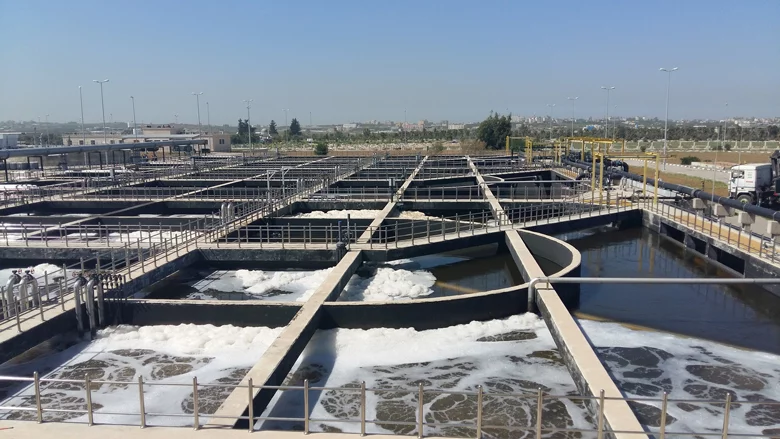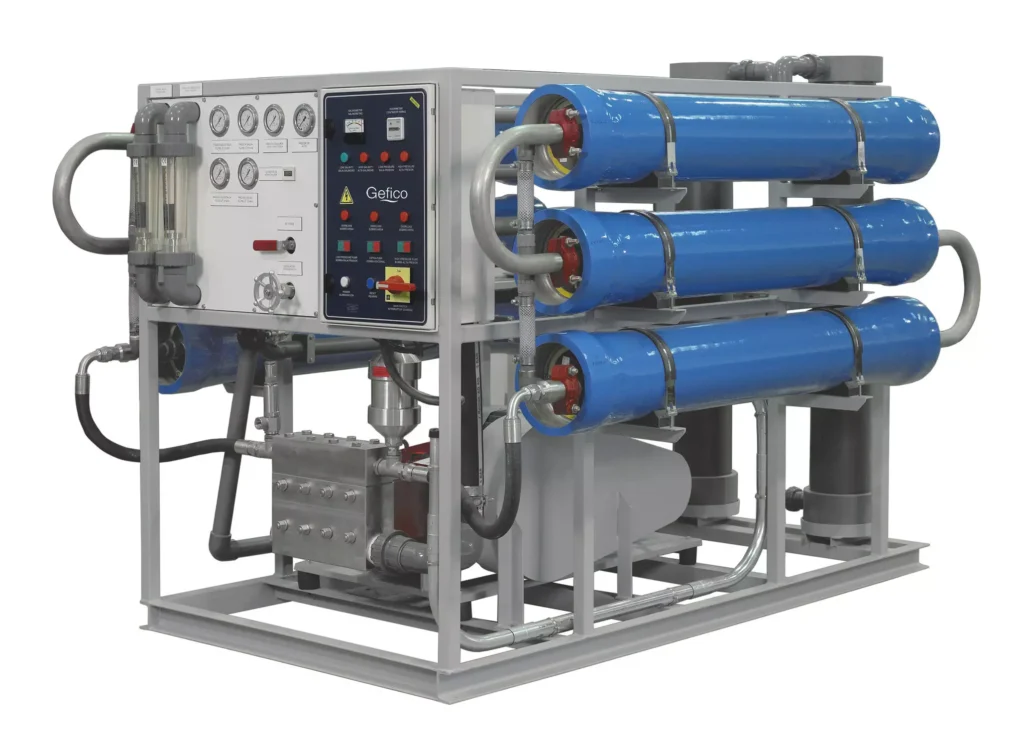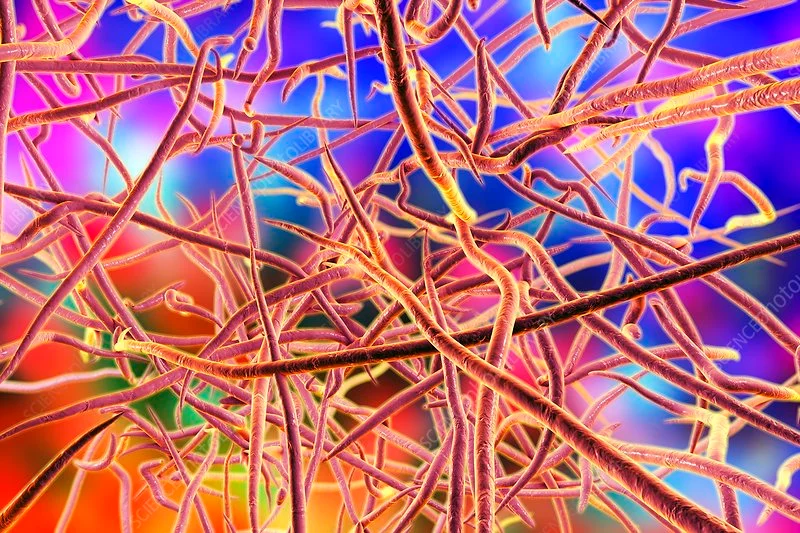
Thick brown foam that sits on an aeration tank and will not break down is a common complaint in activated sludge and STP plants. It is often caused by filamentous bacteria of the Nocardia group (now classified in several related genera), which have water-repelling cell surfaces and trap air bubbles.
Why it forms
- Fats, oils and grease in the sewage, often from kitchens and canteens, feed these bacteria.
- Long sludge age gives slow-growing filaments time to build up.
- Foam that is recycled back into the process keeps seeding the problem.
Why it matters
The foam can overflow walkways, carry solids into the treated water, create odour and make the plant unpleasant and unsafe to work around.
Practical control steps
- Fix grease at the source with properly sized and cleaned grease traps.
- Remove foam from the system rather than spraying it back in.
- Reduce sludge age by increasing sludge wasting, within what the process allows.
- Check dissolved oxygen and nutrient balance.
- Use chemical or physical foam control only as a temporary measure.
Confirming the cause
A microscope examination of the foam and mixed liquor confirms whether filamentous bacteria are responsible and which type, which guides the fix. We can help investigate and correct persistent foaming as part of an STP review.